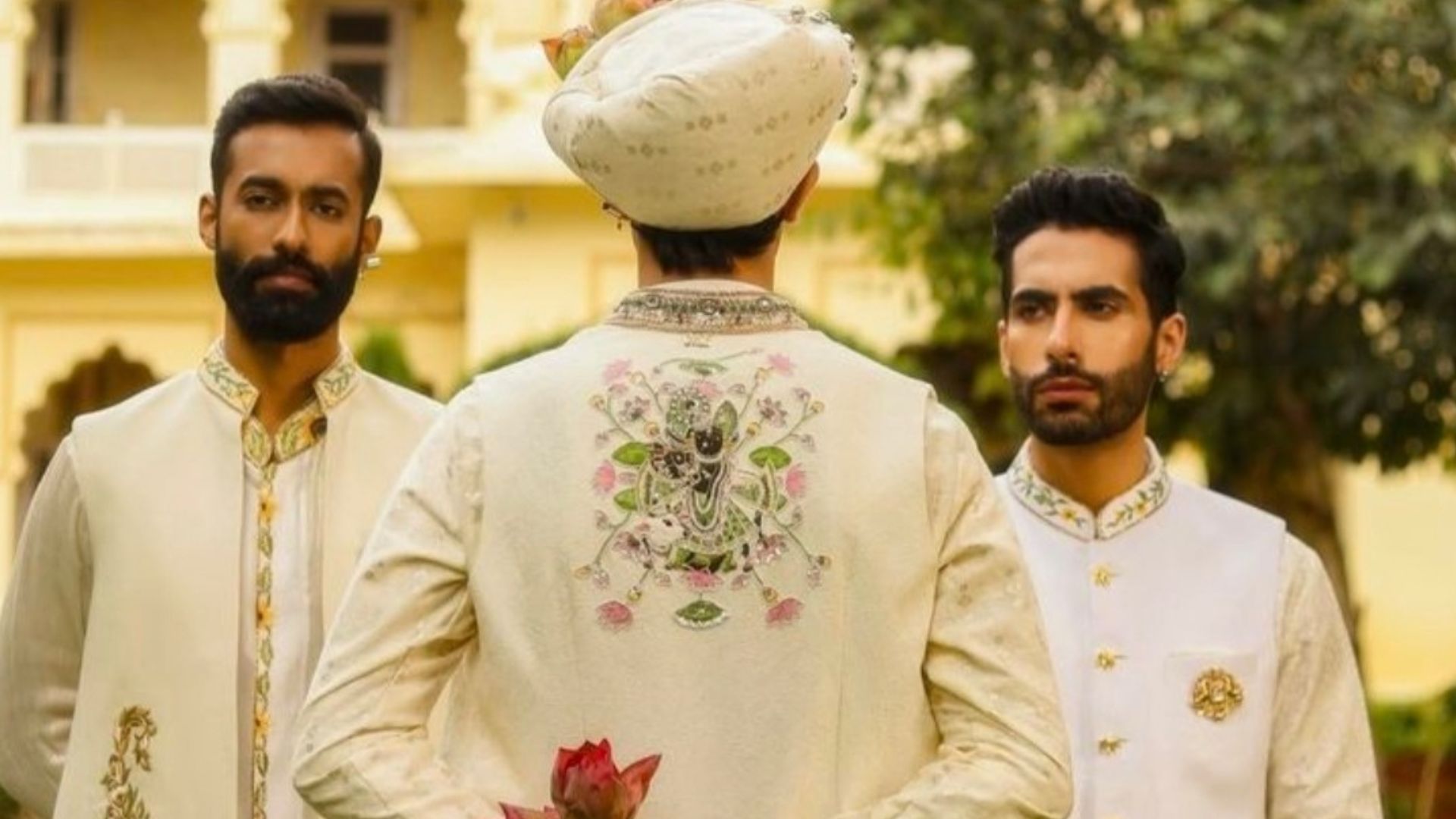
Dressed to Belong: How Men Can Master A Groom’s Styling Blueprint
Planning outfits for multiple wedding functions can be overwhelming for men, with each event demanding a different look

By Siddharth | Published: Oct 23, 2025 | Updated: Oct 23, 2025
Diwali celebrations bring vibrant fabrics, bold designs and statement jewellery. But when the festive lights fade and the office doors open, that traditional ethnic wardrobe needs a gentle transition from celebration mode to work mode. The good news? You don’t
Style Tips
Diwali celebrations bring vibrant fabrics, bold designs and statement jewellery. But when the festive lights fade and the office doors open, that traditional ethnic wardrobe needs a gentle transition from celebration mode to work mode. The good news? You don’t have to abandon your ethnic look entirely; you simply refine it. In this article, we’ll guide you through smart ethnic style hacks tailored for the office post-Diwali, and show you how AI-powered fashion tools can elevate your look effortlessly.
During Diwali, outfits are all about sparkle, heavy embroidery, rich colours and layered silhouettes. Once post-festival office days begin, your priorities shift: you’ll want comfort, work-appropriate cuts, fabrics that can take you through long hours, and accessories that speak subtlety rather than statement.
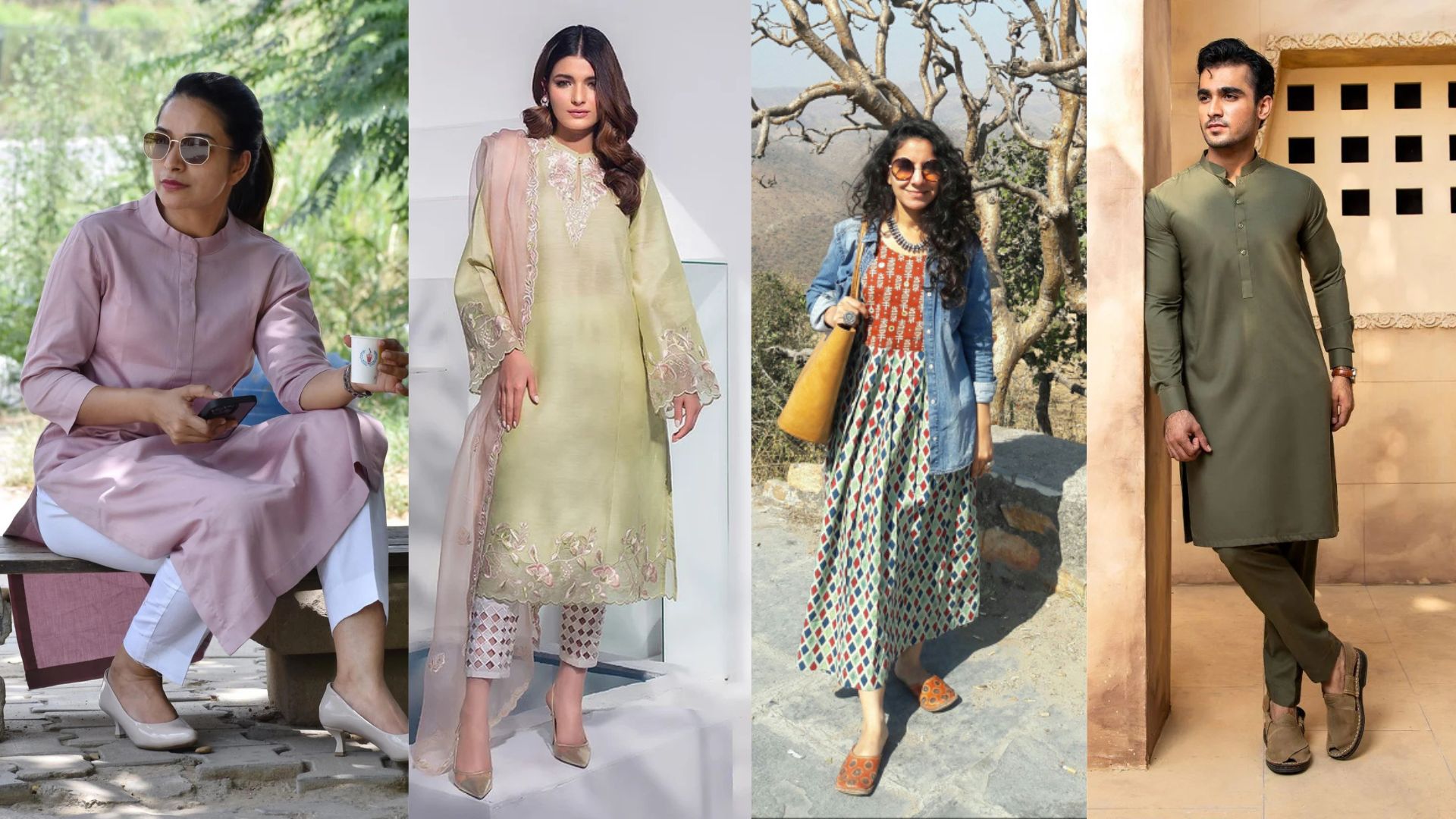
That beautifully embroidered silk kurta you wore for Diwali night can become an office favourite too , pair it with tailored trousers, minimal jewellery and neutral flats instead of heavy heels.
For women: a printed straight kurta + structured blazer + cigarette pants can look both ethnic and office-ready.
For men: a band-collar kurta with dress pants instead of churidar gives a crisp balance.
Add a light ethnic jacket (short, open) over a simpler kurta or dress. This layer can be removed during mid-day meetings for a streamlined look.
Use a neutral base (e.g., cream kurta) and add ethnic colour accents (emerald dupatta, rust shoes). This keeps the ethnic feel but grounds the outfit in a professional palette.
Choose one statement accessory: for women perhaps bold earrings or a cuff; for men maybe a minimalist ethnic brooch or pocket square. Avoid heavy bangles, layering, big chandeliers.
Swap heavy heavy skirts or shararas for straight-cut palazzos, or cropped ethnic trousers with a long kurta. Comfort matters when you’re seated for long meetings.
The evening after Diwali: steam or press the ethnic piece you want to re-use, remove any ultra-festive dupatta, swap in fresh bottoms, plan accessories ahead. This makes Monday morning simpler.
Replace heavy embellished sandals or juttis with block-heels or loafers that have ethnic detailing. Carry a structured tote instead of a festive clutch , the right bag anchors the outfit to an office setting.
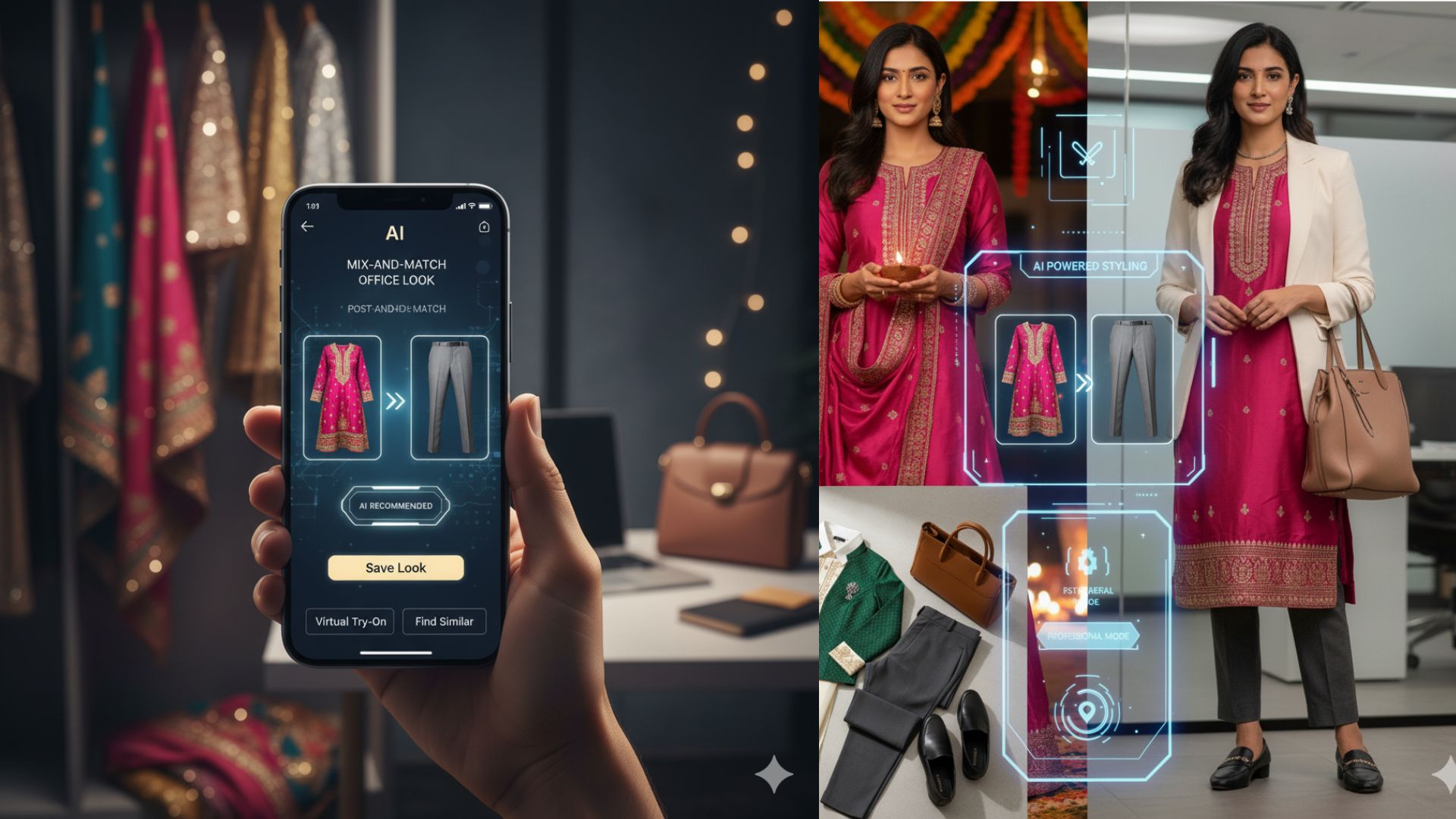
AI fashion tools help you discover new combinations, optimise your existing wardrobe, and tailor looks to your body-shape, skin tone and occasion. They reduce decision-fatigue and bring smarter style into your daily routine.
Q1. Can I wear the same heavy embroidered outfit from Diwali to work the next day?
Yes, if you tone down the rest of the ensemble (bottom, accessories, footwear) and remove ultra-festive extras like sequinned dupattas or heavy jewellery. Focus on one statement piece and balance the rest.
Q2. What are some ethnic fabrics to avoid for long office hours?
Avoid extremely heavy brocades, heavy zari, pure satin that clings, or garments with too much metallic embellishment. They may look stunning, but might feel restrictive, overheated or distracting in a work environment.
Q3. Are bright colours like red and gold inappropriate for the office post-Diwali?
Not necessarily inappropriate, but consider using them as accents rather than full focus. For example, a gold embroidered collar detail or red shoes can work better than an all-red heavy outfit. A refined palette often works better in professional settings.
Q4. Which AI apps work best for ethnic wear styling (India context)?
Apps like Style.ai, Aiuta, Alle have features oriented to virtual styling and personalised outfit suggestions. When choosing, look for apps that allow you to upload your own wardrobe, work well for South Asian body types, and include “occasion” filters (e.g., office, ethnic, fusion).
Q5. How many days should I cycle my ethnic look at work to avoid repetition?
It depends on your wardrobe size and office dress code. However, as a general rule, if you treat your ethnic pieces as part of a rotation, aim to reuse a key piece every 2–3 weeks, mixing bottoms/layers, and accessories to create new combinations. The AI-styling saving tip helps you rotate without the “samelook” feeling.
Transitioning from festive to office doesn’t mean sacrificing your ethnic style; it’s about refining it. With these eight smart hacks, you can carry forward the essence of your post-Diwali look into your workweek with ease. Add in an AI fashion-styling tool as your virtual wardrobe assistant, and you’ll bring together comfort, style and professionalism effortlessly. Pick one ethnic piece today, apply a hack, and explore an AI suggestion; you’ll be ready for Monday with confidence.

Visit & Get Your Free Stylebuddy AI Styling App
Hi I’m Siddharth- I’m a personal stylist and a growth marketer. I’m writing this blog to share thoughts about fashion, styling, technology and StyleBuddy. I’m passionate about fashion in general.
Planning outfits for multiple wedding functions can be overwhelming for men, with each event demanding a different look
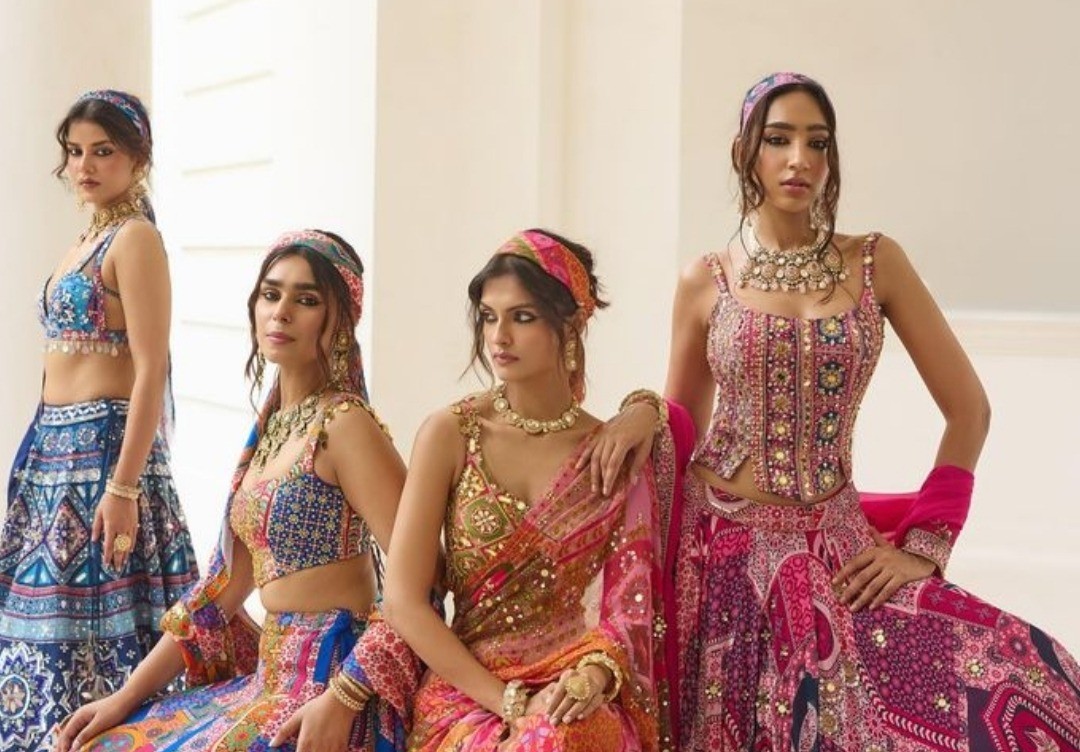
Your Wedding, Your Way: Personalised Style with Style Studio Personalising a wedding goes beyond choosing a beautiful ou
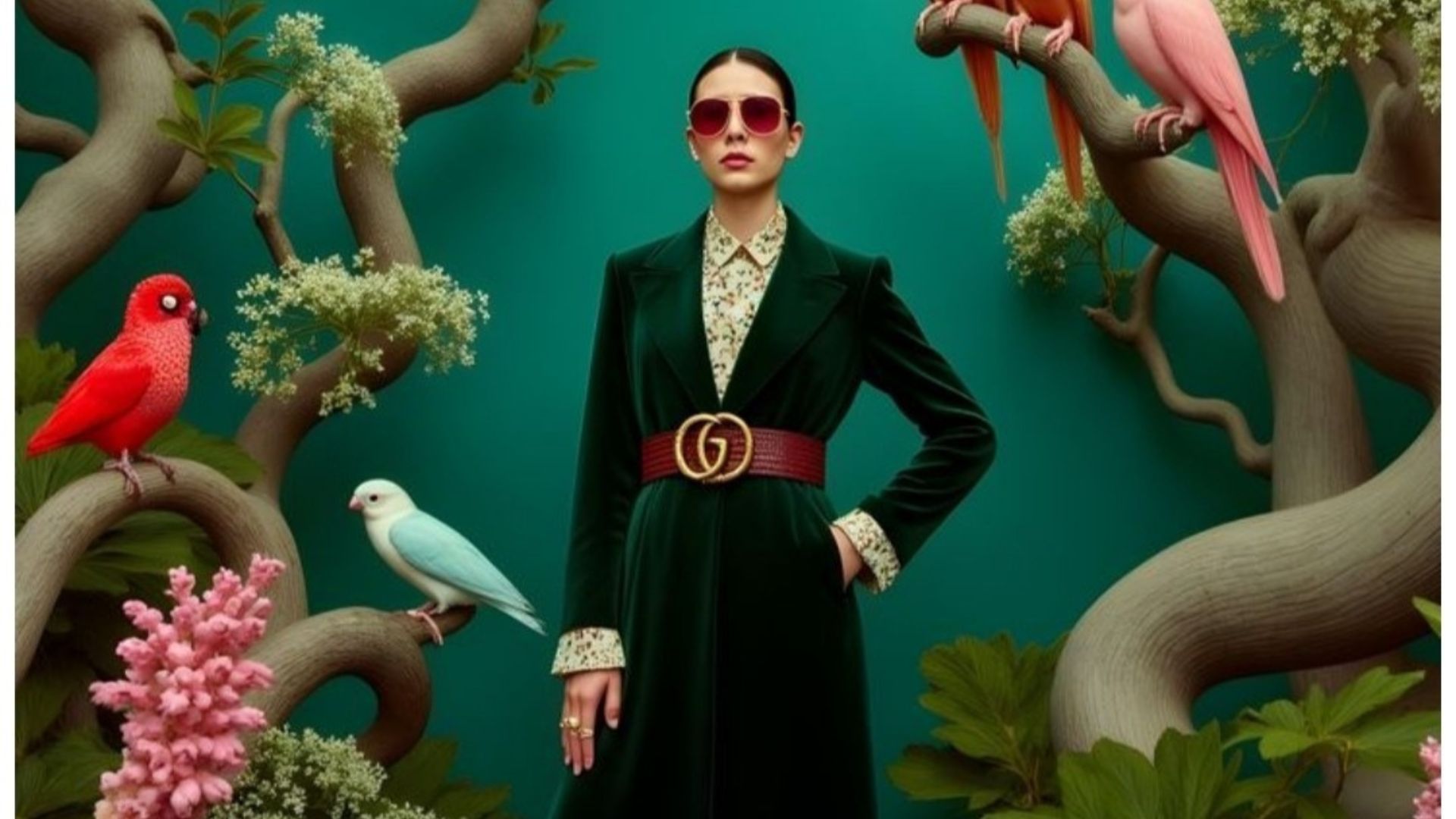
This blog explains how Style Studio by StyleBuddy empowers individuals to build a fresh personal style aligned with the
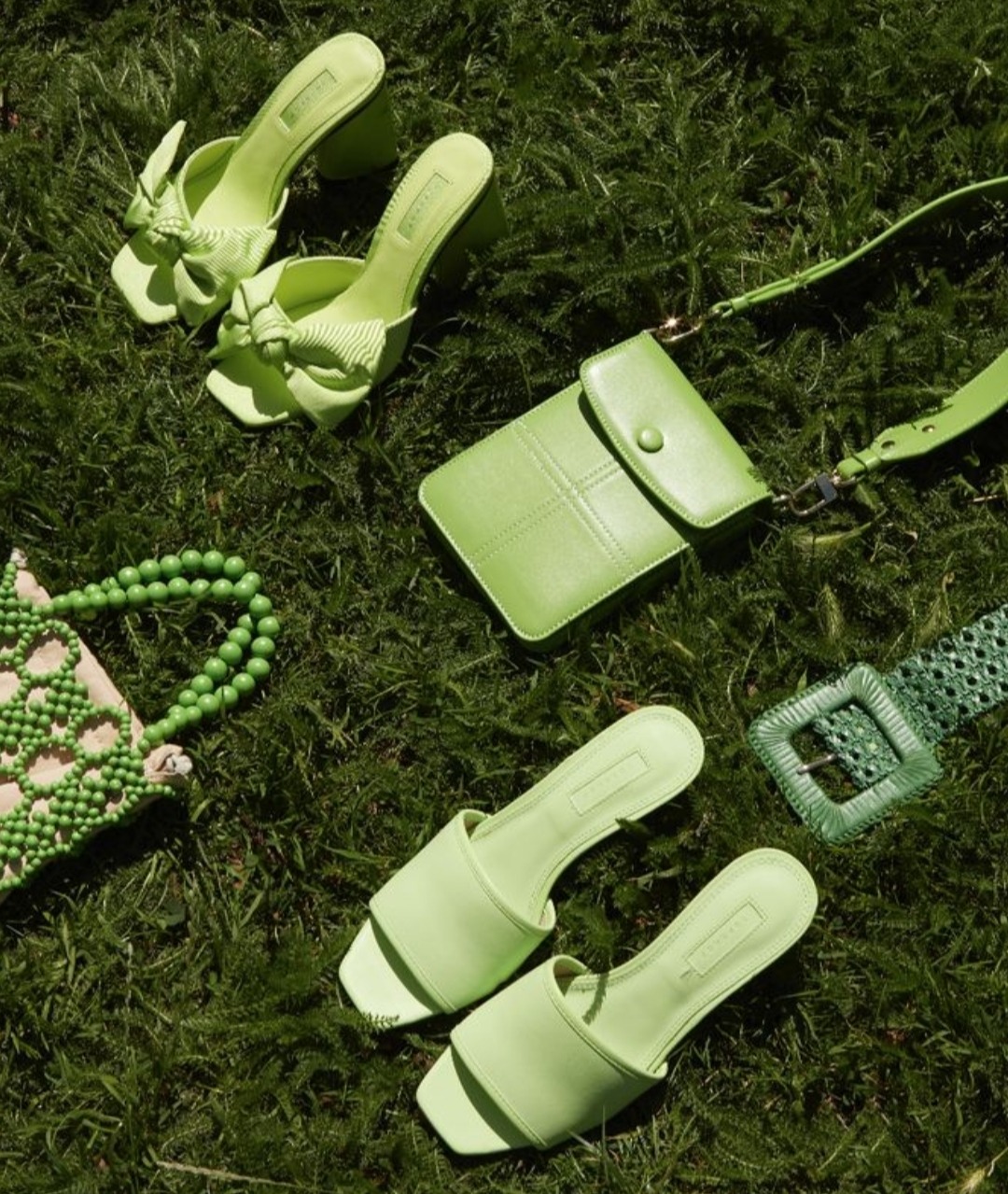
This blog explores how Style Studio by StyleBuddy helps individuals confidently coordinate hairstyles, makeup, and handb
