How to Use StyleBuddy Virtual Try-On Links to Boost Your Fashion Brand
In today’s fast-paced online fashion market, shoppers want interactive, realistic ways to try products before buying. Th

By Geetanjali Bharali | Published: Nov 27, 2025 | Updated: Nov 27, 2025
Welcome to the moment where spreadsheets flirt with sketchbooks, and customer clicks guide couture. StyleBuddy’s Style Studio plugs brand intuition into consumer data and AI muscle so designers don’t have to guess which silhouettes will sell — they can design
Product Updates
Welcome to the moment where spreadsheets flirt with sketchbooks, and customer clicks guide couture. StyleBuddy’s Style Studio plugs brand intuition into consumer data and AI muscle so designers don’t have to guess which silhouettes will sell — they can design them. By connecting Style Studio to the broader StyleBuddy ecosystem (personal styling, creator networks, brand channels and virtual try-on), the platform turns raw consumer signals into commercially viable, on-trend collections from day one.
Style Studio is a creative-to-commerce tool that blends consumption signals with design workflows: think trend analytics, shopper behaviour heatmaps, and AI-assisted moodboards that mirror what real customers are already searching for and buying. Instead of starting a season with blind assumptions, teams start with a prioritized, data-backed list of features — from preferred fits and fabrics to price bands and color stories — so every sketch has a market-first hypothesis behind it. This reduces speculative sampling, accelerates decision-making, and gives teams a language to talk about demand before they make a single garment.
Brands and designers can expect a user-friendly workspace that translates consumer insights into creative prompts and actionable decisions. Upload line sheets, catalogues, or SKU performance; link customer reviews and marketplace trends; then let the platform surface the motifs, trims, and price points that resonate. AI assists by generating moodboards, tech-pack suggestions, and design variations that are already optimized for customer demand. Collaboration features make it easy to share looks with internal teams, external manufacturers, or the StyleBuddy creator and stylist networks for rapid feedback loops.
Because modern retail rewards speed plus relevance. Style Studio cuts guesswork, lowering development costs tied up in unsold samples and long lead times. Brands gain a repeatable method to iterate on designs that are grounded in consumption data — meaning higher conversion rates, fewer markdowns, and happier wholesale partners. For independent designers and small labels, Style Studio offers enterprise-grade trend intelligence without the enterprise price tag, letting them punch above their size class with better assortment decisions and clearer launch roadmaps.
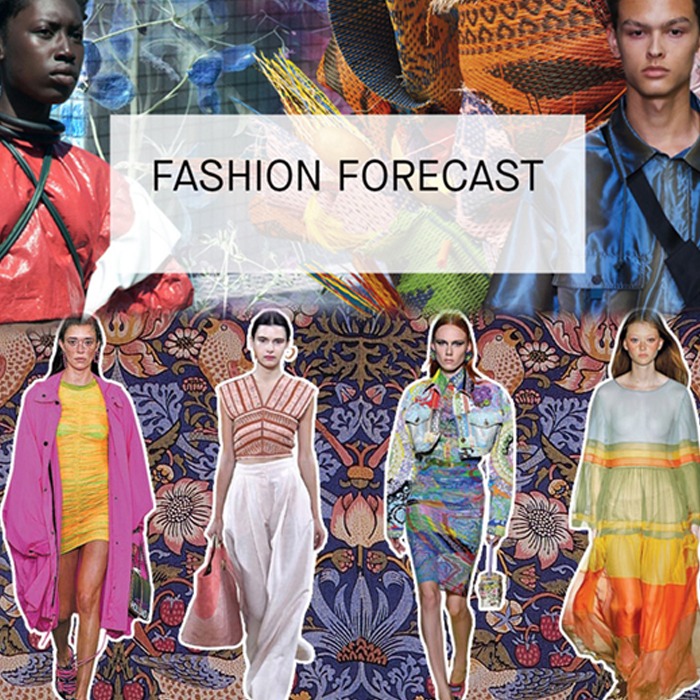
AI isn’t replacing the creative spark; it’s amplifying it. Natural language models translate customer feedback into phrasing designers use — e.g., “relaxed linen utility” — while image models suggest silhouettes and color palettes that have traction. Predictive analytics flag which SKUs are most likely to scale, and A/B-style testing frameworks allow brands to validate micro-collections before mass production. That means fewer gut-only bets and more iterations that are informed, measurable and fast. Recent StyleBuddy thinking on integrating AI into styling shows how data-driven trend signals become creative prompts for design teams.
Where Style Studio sits in the StyleBuddy ecosystem — "One Seat at a Bigger Table"
Style Studio doesn’t exist in a vacuum: it plugs into StyleBuddy’s wider ecosystem of styling services, creator-led marketing and virtual product experiences. This means that insights from the consumer-facing side (personal styling conversations, creator videos, and virtual try-on usage) feed back into the Studio, creating a virtuous loop where product decisions are continuously refined by real-world behaviour. The outcome is a design engine that stays attuned to taste shifts and turns audience engagement into reliable input for assortment planning.
1. Ingest: Pull in SKU-level sales, customer reviews, and platform search trends.
2. Synthesize: AI clusters signals into design themes and priority features.
3. Prototype: Generate moodboards and design variations optimized for demand.
4. Validate: Share samples with micro-influencers, creator partners, or StyleBuddy’s stylist network for fast pre-launch feedback.
Small designers and D2C brands get democratized access to trend intelligence. Retail buyers and merchandisers get clearer assortment signals. Stylists and creators have a direct line to product teams for co-created capsule drops. And consumers win because they see better fitting, better priced product choices that match what they actually want. This ecosystem approach helps reduce friction between design, marketing, and retail execution.
Reducing sample wastage, lowering markdowns, and improving sell-through are more than nice-to-have outcomes — they’re the business logic of modern design. By using consumer-driven creation, brands expand margins and reduce the velocity of unsold inventory, freeing capital to reinvest in marketing and product innovation. Early pilots often show measurable upticks in sell-through and lower return rates when combined with virtual try-on and creator promotion.
Here’s the kicker: early adopters gain first-mover advantage. Brands who pilot data-to-design workflows are able to release capsule collections faster, capture unmet demand before competitors, and secure preferred placement with retail partners. For a short window, StyleBuddy is offering prioritized onboarding and creator credits for pilot partners — meaning you can test, iterate, and launch with support from the platform and a pipeline of creators and stylists who can amplify your launch. Act now to lock a pilot slot and get prioritized rollout resources.
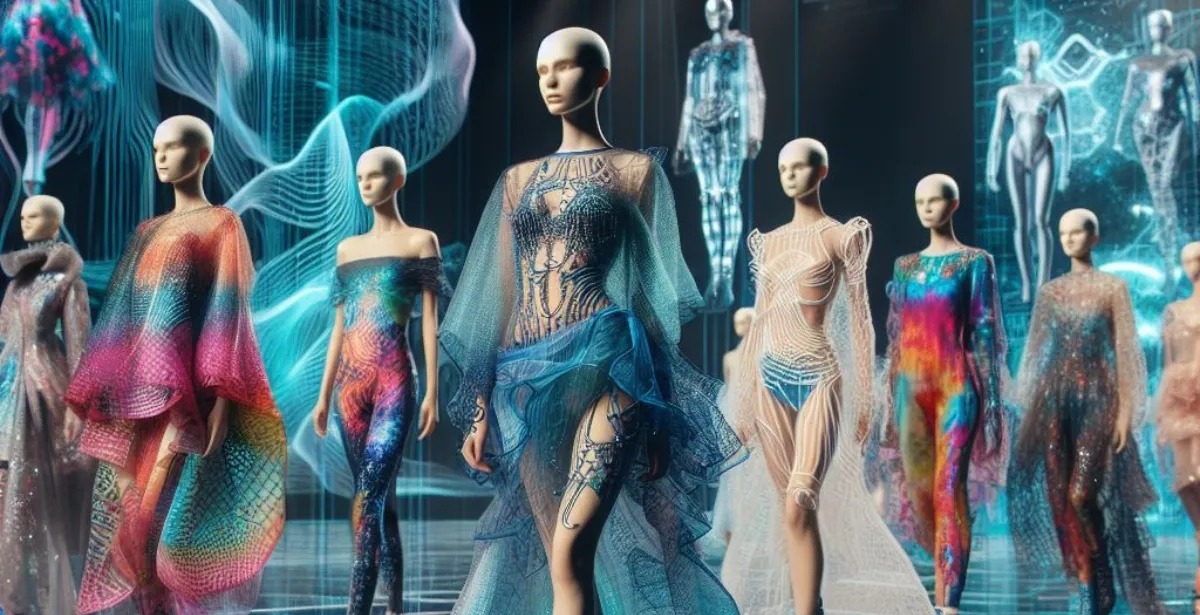
Because the platform makes it easier to design for demand, teams can also choose to design for sustainability: optimizing for lower overproduction, localised assortments, and fabrics that reduce waste. Consumer signals can be used to forecast realistic quantities rather than inflate SKUs, aligning profitability with planet-friendly practices.
Imagine a small label notices search spikes for “relaxed linen shirts” in coastal cities. Style Studiolusters those spikes with rising kit-list mentions from personal stylists and creator videos. The AI suggests a loose silhouette in three shades, a mid-tier price point and a limited pre-order run. The brand pilots the sample with StyleBuddy creators; feedback is strong; they scale production — and the SKU becomes a summer top-seller with minimal markdowns.
Track conversion lift, sell-through within the first 30 days, sample-to-production ratio, and return rate. Run a 6-week pilot with clear targets and weekly reviews; many teams discover that even a single data-informed SKU can pay back the pilot investment through improved margin and fewer discounts.
Onboarding is straightforward: connect your datasets, invite collaborators, and run an initial trend audit. From there, iterate using the platform’s AI prompts, creator network for validation, and virtual try-on or styling outputs to support your launch. The platform also offers brand support services to help set up integrations and campaigns during the pilot phase.
Explore Style Studio: https://brands.stylebuddy.ai/
Experience how it turns audience signals into design certainty. If you’re tired of sizing up assumptions and downplaying data, this tool hands you a method for building commercially viable collections confidently. Connect design to demand; let consumer insights lead your next best-seller today.

With a stylist's eye for detail and a writer's love for language, I weave together the visual and the verbal. As a Senior Stylist, I sculpt identity through clothing; as a Creative Content Writer, I articulate the soul of style. This space is where my two passions collide, a place to explore how what we wear shapes who we are, and the stories we tell! I'm so glad you're here
In today’s fast-paced online fashion market, shoppers want interactive, realistic ways to try products before buying. Th
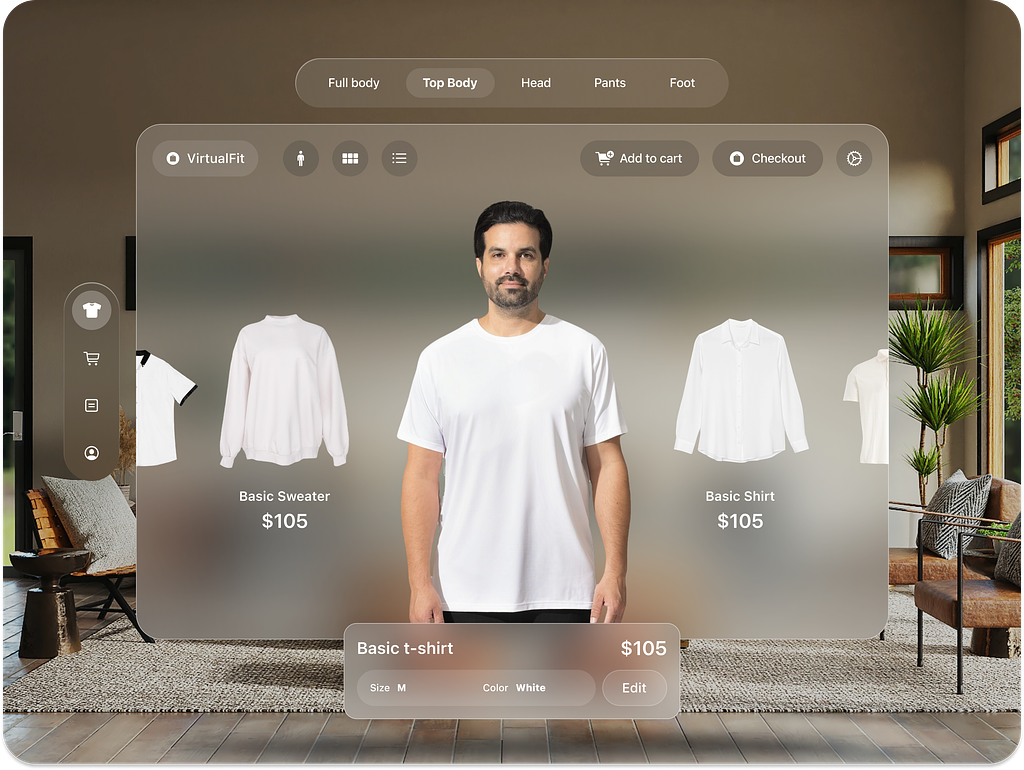
The online fashion industry is evolving at a breakneck pace. Shoppers today want more than just pictures—they want an in
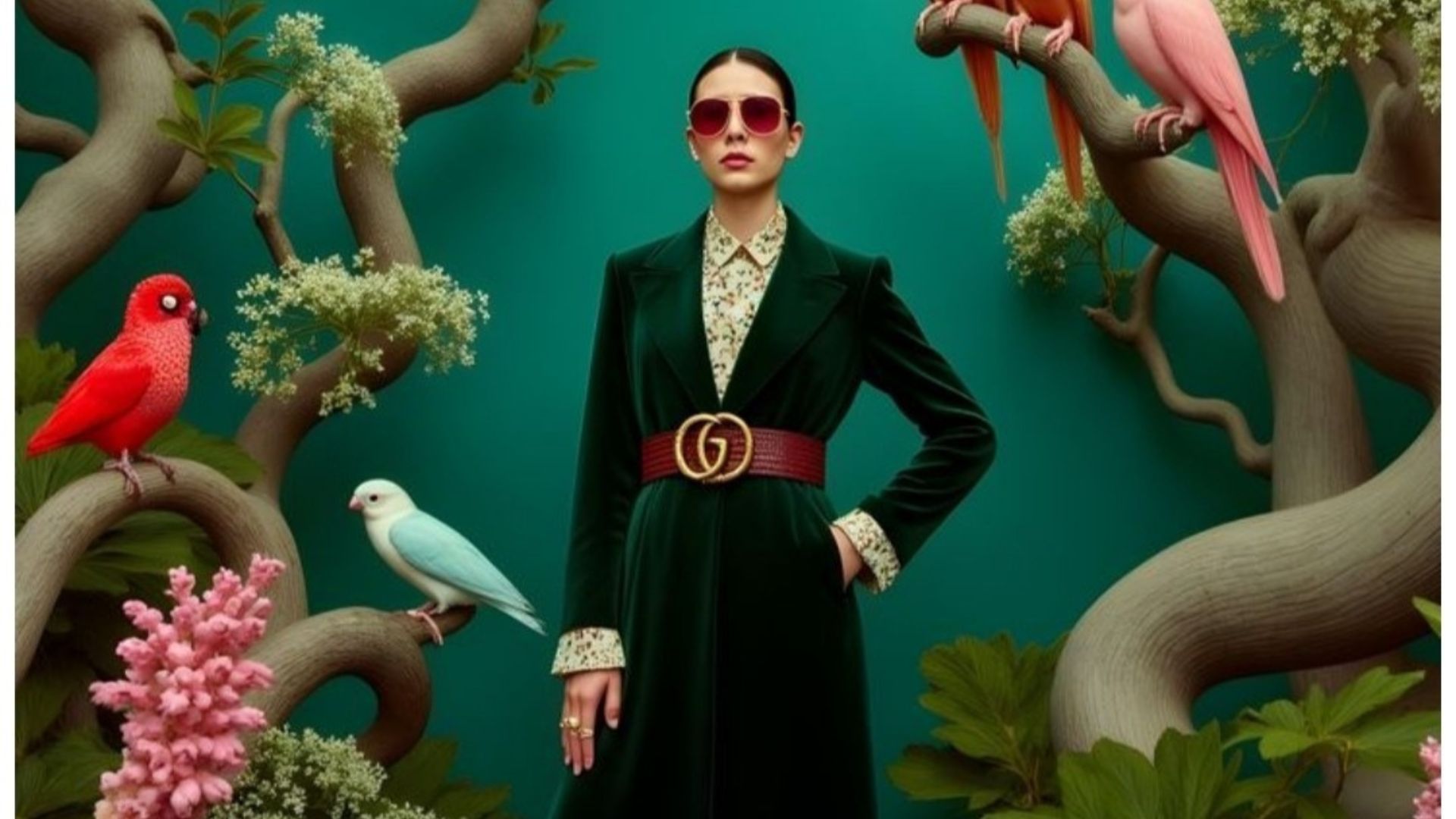
This blog explains how Style Studio by StyleBuddy empowers individuals to build a fresh personal style aligned with the
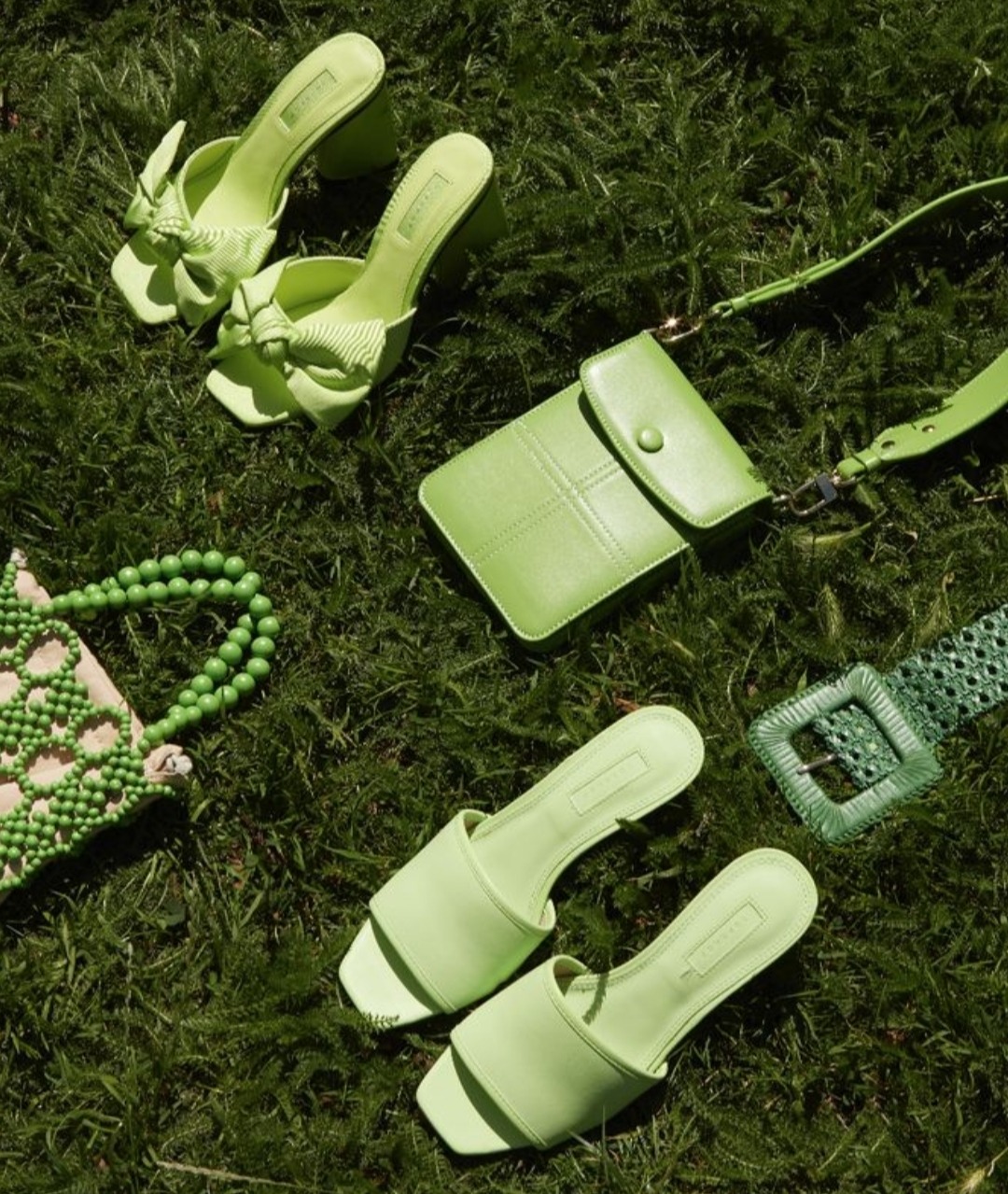
This blog explores how Style Studio by StyleBuddy helps individuals confidently coordinate hairstyles, makeup, and handb
