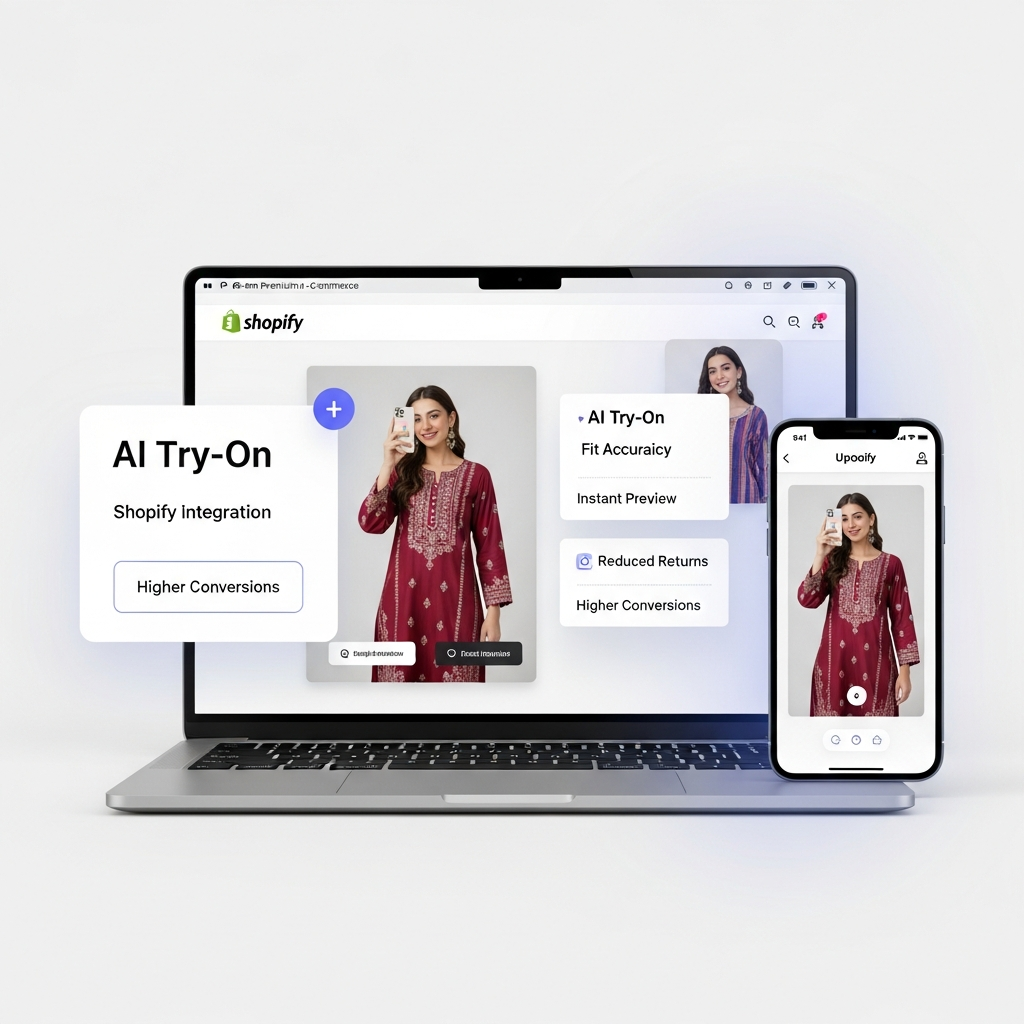
Best Virtual Try-On App for Shopify in 2026: A Buyer's Checklist for Fashion Brands
If you sell fashion on Shopify, a virtual try-on app is no longer a novelty — it's the fastest way to cut returns and he

By Geetanjali Bharali | Published: Nov 30, 2025 | Updated: Dec 8, 2025
When the camera rolls, the clothes don’t have to end up in a box — or worse, a landfill. The Sustainability Editor’s secret weapon - Style Studio is an AI-powered zero-waste content calendar that plans photoshoots, repurposes assets, and prioritizes digital-fi

AI Fashion & Technology
AI Fashion & Technology
Company
Styling Tips
Product Updates
General Info
AI Styling
When the camera rolls, the clothes don’t have to end up in a box — or worse, a landfill. The Sustainability Editor’s secret weapon - Style Studio is an AI-powered zero-waste content calendar that plans photoshoots, repurposes assets, and prioritizes digital-first strategies so brands can stay visually rich without the environmental hangover. This approach treats content as a recyclable resource: every frame, garment, and minute of shoot time is planned to serve multiple creative and commercial purposes, guided by AI and platform workflows that connect styling, virtual try-on, creators, and catalog outputs.
Fashion’s environmental footprint isn’t just about production — it’s also about storytelling. Traditional photoshoots generate excess: garments sampled once and shelved, multiple location trips, single-use sets, and heavy logistics that add carbon and cost. The obvious wins — fewer shipments, shorter shoot schedules, and smarter reuse — become achievable when virtual try-on, asset auditing, and creator networks are baked into the planning stage. Leading virtual-try-on and AR tools show clear reductions in returns and drive engagement — which makes the sustainability case as much financial as ethical.
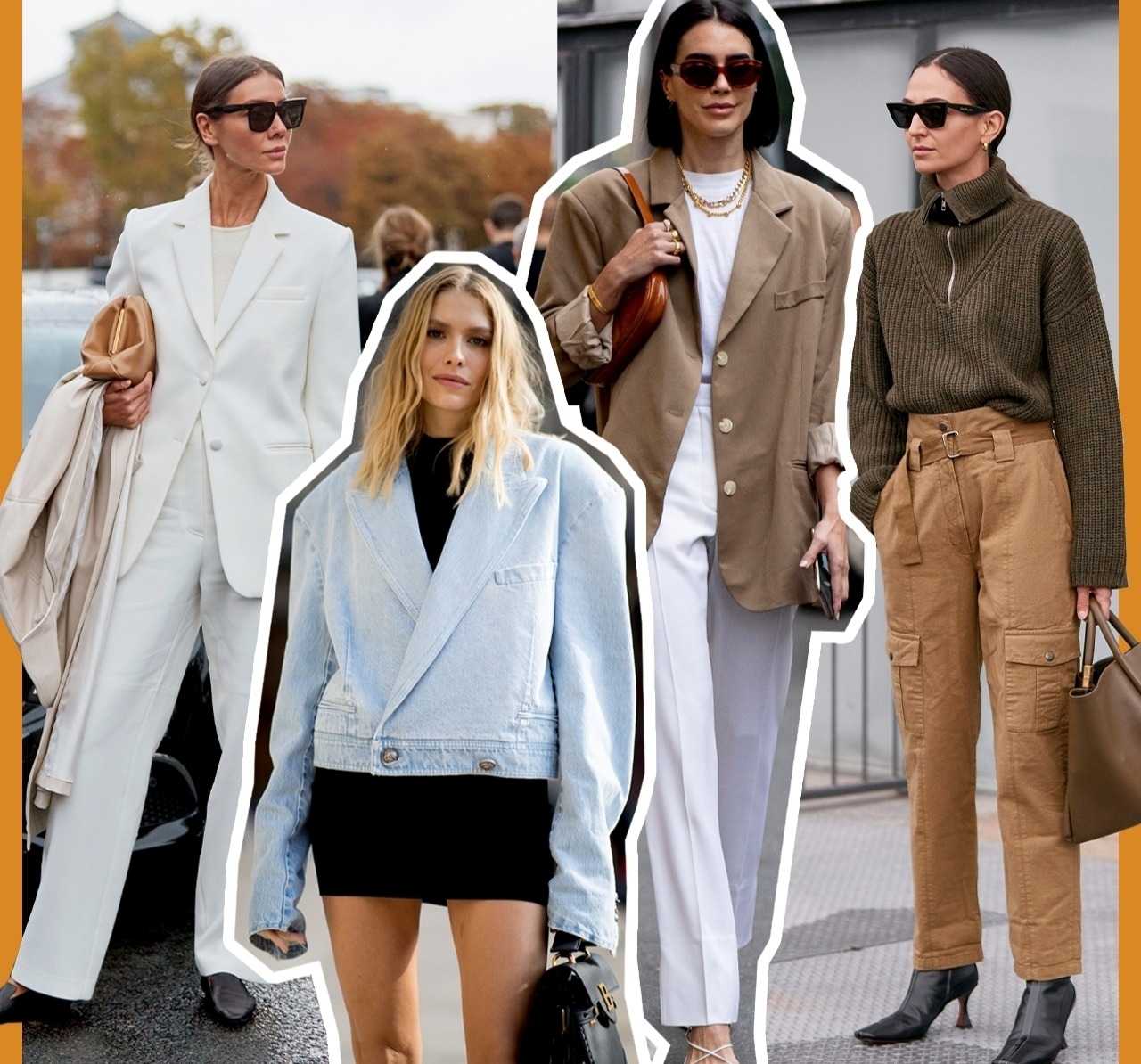
At its core, the solution—Style Studio—helps editors, creative directors, and sustainability leads map a content lifecycle before they pick a backdrop. Using StyleBuddy’s AI and platform features, teams can: • Audit existing assets and identify high-value pieces that can be re-shot or re-styled virtually.
• Generate a shoot plan that prioritizes multi-use looks and modular styling, with AI suggestions for interchangeable accessories and color stories.
• Create digital-first content (3D renders, virtual try-ons, short-form loops) that reduces the need for physical samples.
• Assign reuse tags to every clip, still, or outfit so post-production and marketing teams know how to repurpose material across channels.
Those features sit on a stack of styling intelligence and content automation that turns scattered creative briefs into a single, cross-functional plan.

With Style Studio, expect a workflow, not a one-off tool. Users get a calendar that thinks like a merchandiser and a stylist simultaneously: predicted themes based on search and shopper signals, prioritized shot lists built for maximum repurposability, and AI-generated captions, cutdowns, and crop suggestions for every channel. A campaign that once required separate briefs for social, e-commerce, PR, and email can now be a single modular plan with variants created up front. That means fewer last-minute bookings, less duplicate shipping, and a dramatic drop in single-use props.
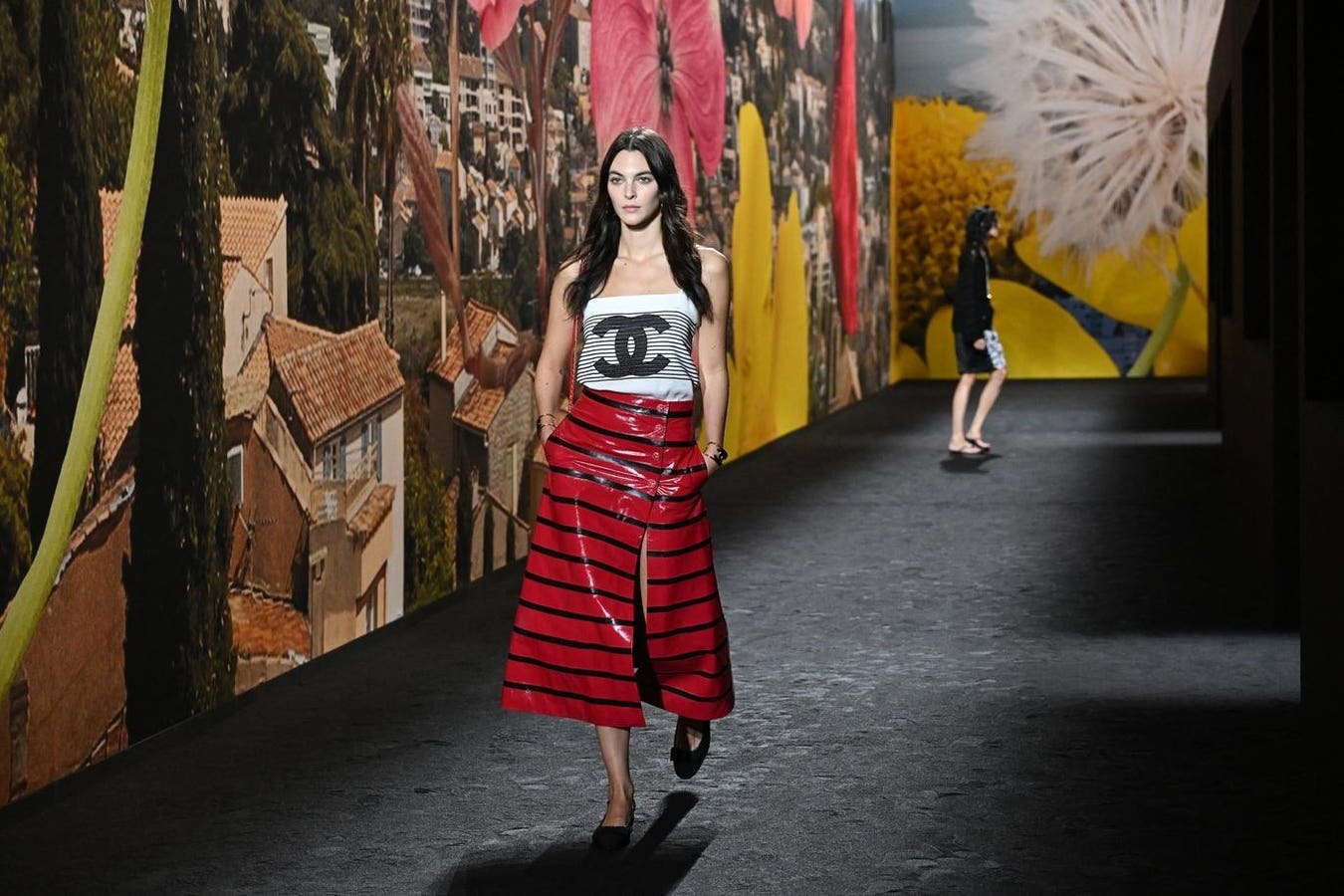
Adopting a zero-waste content calendar is a strategic move, not a PR checkbox. Brands reduce operating costs (less sample churn, smaller crew needs, fewer location days) and improve speed-to-market. Sustainability-minded customers reward authenticity; showing a method to minimize shoot waste strengthens brand trust and helps marketing deliver stories without the greenwash. Importantly, AI-enabled planning aligns creative ambition with measurable environmental outcomes—fewer shipments, reduced studio hours, and less unneeded production all translate into lower Scope-3-adjacent impacts from content.
AI does the boring, repetitive, and data-heavy tasks so creators can be creative. It scans past campaigns to find which assets drove conversions, identifies frequently used garments and looks across channels, and flags which outfits can be restyled virtually for new audiences without additional sampling. Predictive analytics estimate the number of “hero” looks required to hit KPIs, while generative models produce mood boards and variants so the creative team can move fast. Virtual try-on reduces physical fittings and creates digital mockups that often remove the need for extra samples.
• "Trash the Trash "Shoot"—eliminate single-use setups.
• "One Outfit, Many "Moods"—modular styling for maximum ROI.
• "Pixel-First" Fitting—virtual try-ons before real fittings.
• "Local Looks, Global "Impact"—creators over chartered flights.
• "Cutdowns Are "King"—plan the 6-second loop at the start.
• "Tag It or Lose It"—metadata that makes reuse effortless.
Creator networks and virtual try-on are the secret sauce. Instead of a single hero shoot feeding a global team, curated local creators produce regionally resonant assets that plug directly into the calendar. Virtual fittings convert protracted on-set schedules into a few clicks, letting brands validate fit and look before committing to physical samples or travel. Together these capabilities give brands agility and significant environmental cost savings.
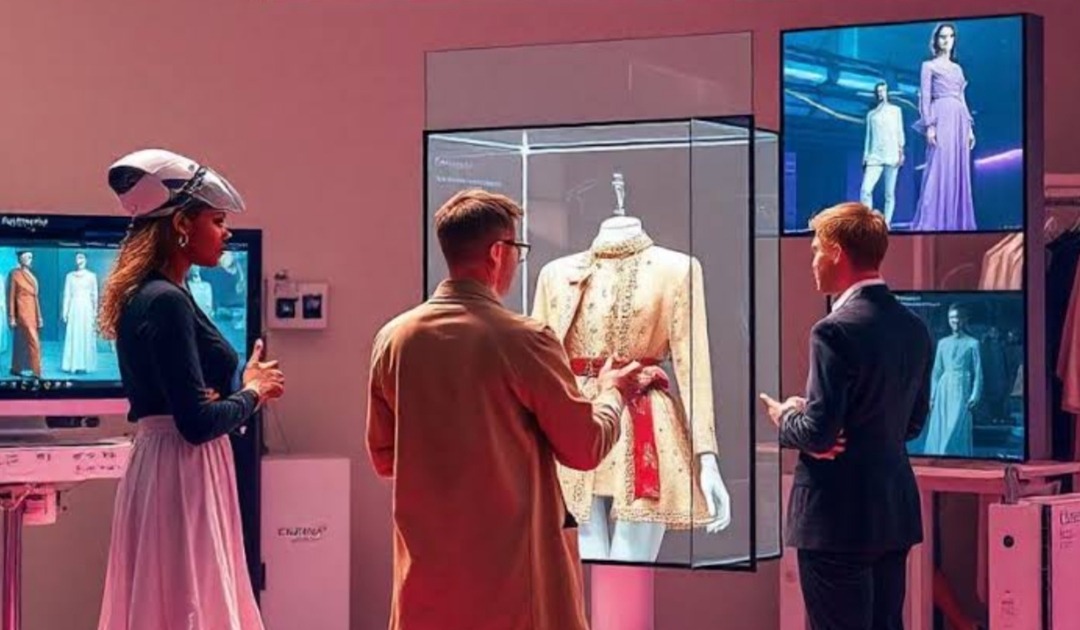
To claim real sustainability wins, measure the right things: number of sample shipments reduced, studio hours saved, quantity of single-use set materials avoided, and reuse percentage of photo and video assets. Financial metrics matter too—reduced production budgets, improved asset ROI, and uplift in conversion from targeted reusable creative. A simple dashboard tying creative outputs to shipping and production savings each quarter makes the impact visible across teams.
A mid-size brand used the calendar to plan a season launch. Instead of five city shoots, they ran two modular studio days and briefed local creators for region-specific edits. Virtual try-on replaced two fitting rounds per hero SKU. Result: 40% fewer sample shipments, 35% fewer studio hours, and a content pipeline that served social, e-com, and email with no extra shoots.
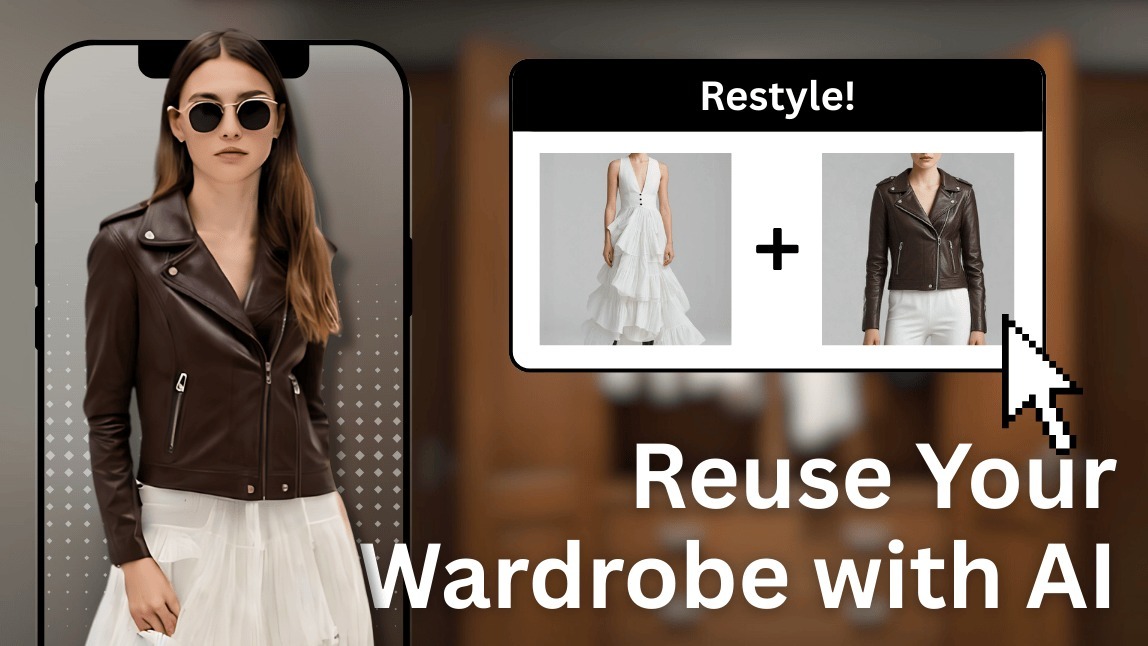
Start with a single SKU family and run a 6-week pilot: audit your last three campaigns, tag assets, and plan a modular two-day shoot that feeds three channels. Invite creators for micro-shoots and use virtual try-on for one fitting per hero SKU. Track reuse and shipment reductions; use those wins to expand the program. Integration toolkits, mobile workflows, and campaign templates speed setup and scaling for busy teams.
A zero-waste content calendar doesn’t stifle creativity—it sharpens it. By planning for reuse from day one and leaning on AI to amplify decisions, brands create striking visuals with significantly less environmental cost. Whether you’re a D2C label or an established retailer, adopting these practices turns content from a consumable into a circular asset. That’s the Sustainability Editor’s secret: design shoots that look good, sell well, and leave a lighter footprint.
Explore Style Studio: https://brands.stylebuddy.ai/

With a stylist's eye for detail and a writer's love for language, I weave together the visual and the verbal. As a Senior Stylist, I sculpt identity through clothing; as a Creative Content Writer, I articulate the soul of style. This space is where my two passions collide, a place to explore how what we wear shapes who we are, and the stories we tell! I'm so glad you're here
If you sell fashion on Shopify, a virtual try-on app is no longer a novelty — it's the fastest way to cut returns and he
In today’s fast-paced online fashion market, shoppers want interactive, realistic ways to try products before buying. Th
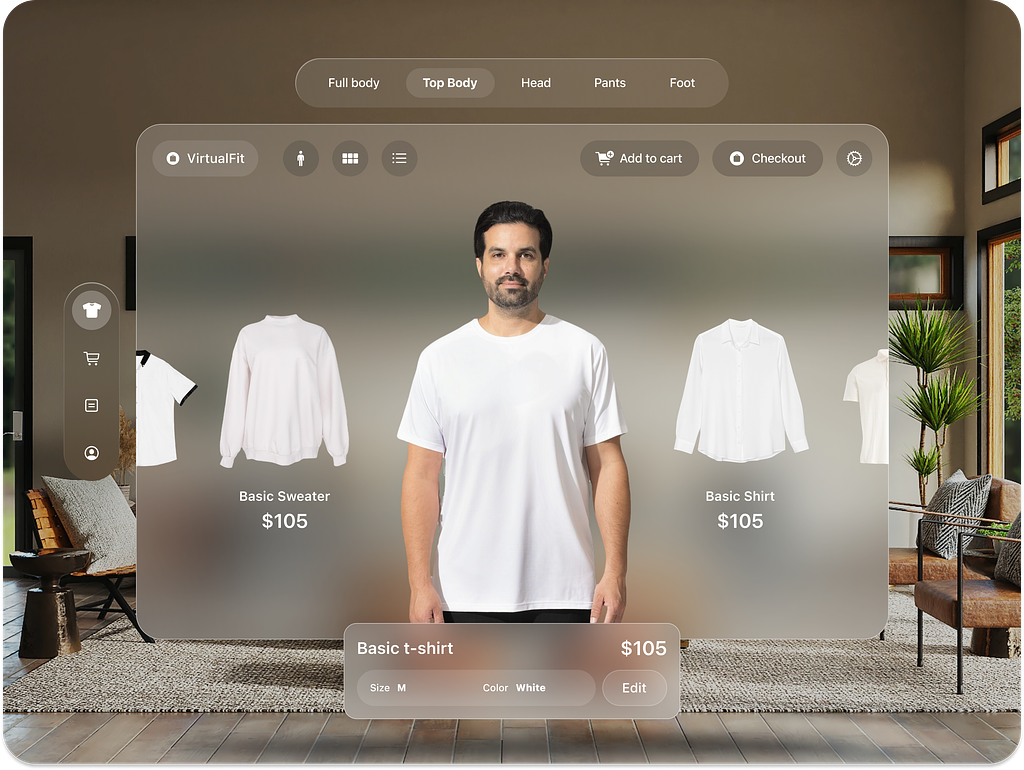
The online fashion industry is evolving at a breakneck pace. Shoppers today want more than just pictures—they want an in
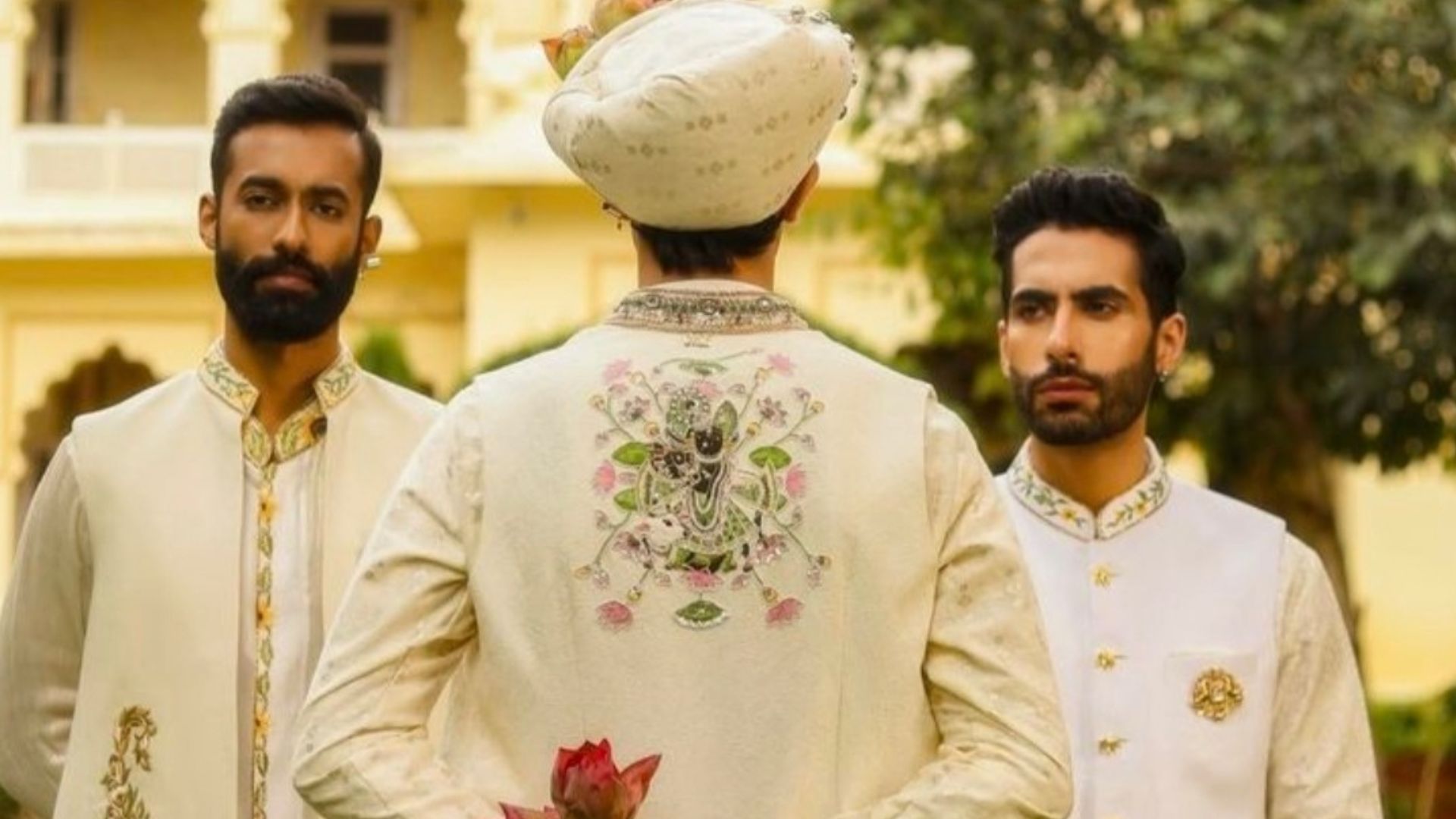
Planning outfits for multiple wedding functions can be overwhelming for men, with each event demanding a different look
